Case studies
Turret Orthodontics & Pixadent
Strengthening a practice platform while preparing it for wider use .

About Turret Orthodontics
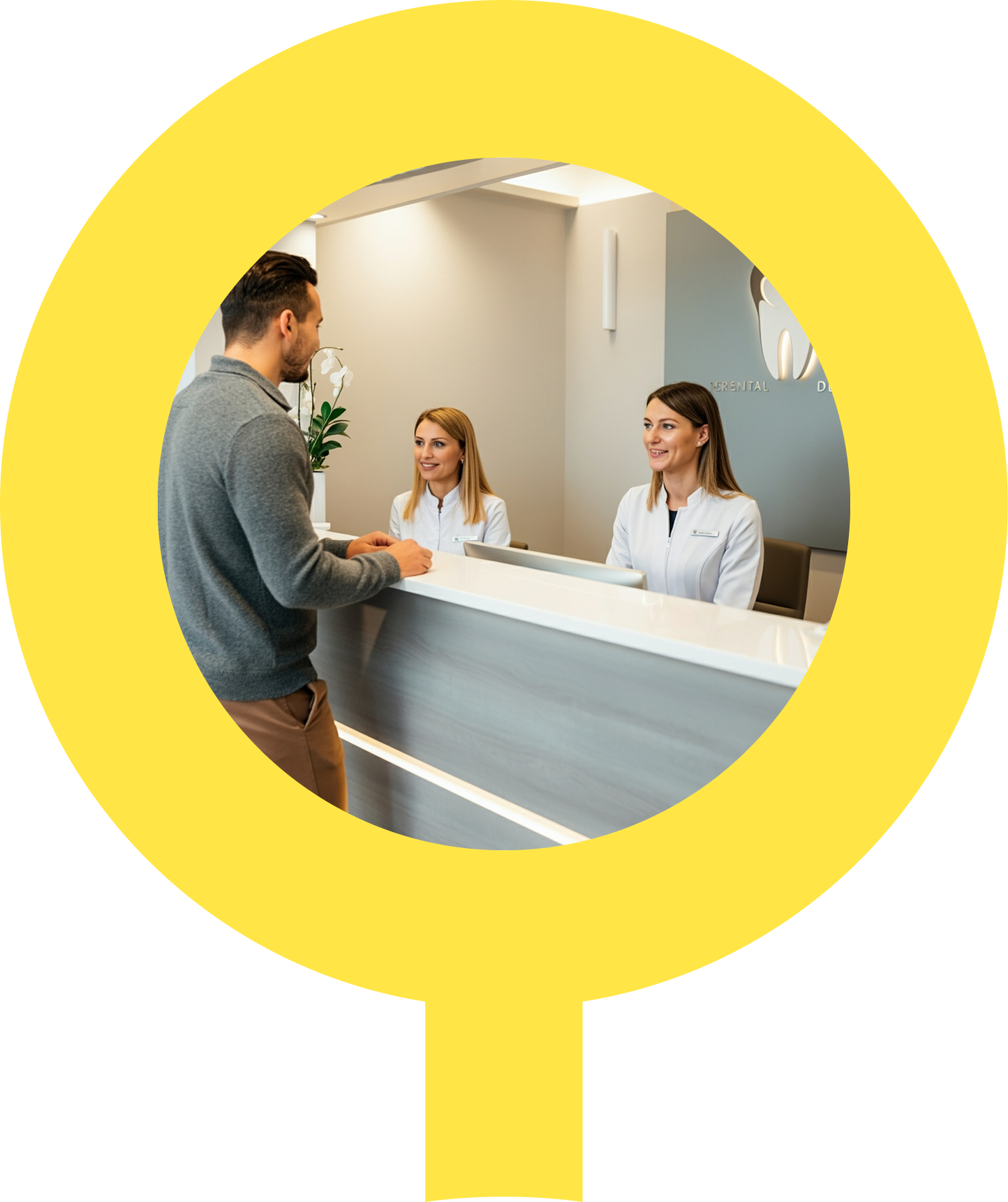
Turret Orthodontics runs a group of well-established dental practices in the UK. Their clinics see a steady flow of patients each day, supported by teams of clinicians, reception staff, and regional managers.
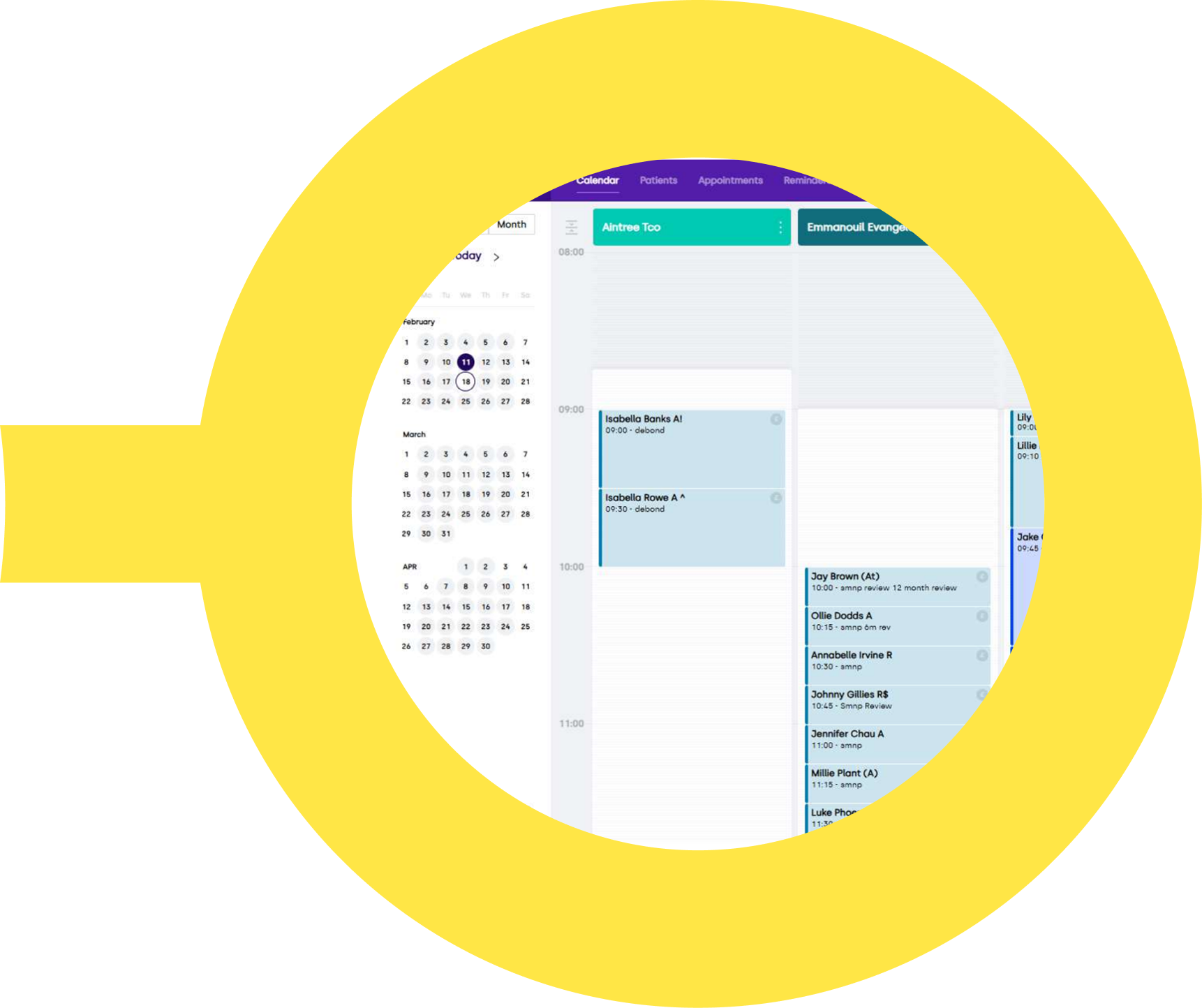
Behind the scenes, the practices use Pixadent, a practice management platform developed by AMK Developments. The system supports scheduling, patient records, and many of the operational tasks that keep a modern orthodontic practice running smoothly.
Pixadent had grown alongside the business and was already central to daily operations. At the same time, there was a bigger ambition forming. The long-term goal was to evolve Pixadent into a product that could serve dental practices beyond the Turret group.
That meant strengthening the platform – improving speed, refining the interface, and building features that would support future growth. Blue Tea was brought in to help move that work forward.
The Challenge
Pixadent already handled a large part of practice operations, but like many systems that evolve over time, a few things were beginning to slow the team down.
Some pages took longer than expected to load.
Certain everyday tasks required more steps than they should.
A handful of features needed refining as the practices continued to grow.
There was also a wider product goal to consider.
If Pixadent was going to be offered to other practices in the future, the platform needed stronger foundations – clearer permissions, more robust reporting, and improvements to the scheduling tools used throughout the day.
The task was not to rebuild the system from scratch. It was to improve it carefully while the practices continued to rely on it every day.
What we did
Before starting development, we ran focused business analysis sessions with AMK Developments.
We reviewed their workbook of issues and improvement requests together, clarifying what each item meant in practical terms. This helped us separate genuine bugs from workflow challenges and identify which changes would make the biggest difference to daily use.
At the same time, our developers reviewed the technical architecture to assess feasibility and identify the most effective route forward.
From this work we defined a three-month development engagement focused on five high-priority improvements.
Improving system performance
We analysed the architecture behind Pixadent and addressed performance bottlenecks affecting system speed. The aim was simple – make the platform faster and more responsive for staff using it throughout the day.
Drag and drop appointment rescheduling
Reception teams frequently need to move appointments. We introduced drag and drop rescheduling within the calendar, allowing appointments to be moved quickly without navigating through multiple screens.
Clinician diary zoning
We developed diary zoning so clinician schedules can be organised into clear blocks for different appointment types or procedures. This gives teams a clearer view of the day and makes booking easier.
Blocking full diary days
Staff training, holidays, or practice closures previously required several manual changes. We added the ability to block an entire diary day in a single action.
Streamlining clinician onboarding
Previously, setting up a new clinician involved several email steps between teams. We introduced a workflow that allows regional managers to onboard clinicians directly within Pixadent.
Strengthening the platform – Project 2
Following the initial improvements, the collaboration continued with a second phase focused on strengthening Pixadent as a long-term product.
Product management sessions were held every two weeks to prioritise improvements and review progress. Several key areas were enhanced.

Calendar management
We introduced improvements to give practices better control over schedule changes, including notifications when diaries are altered, approval flows for practitioner schedule updates, and safeguards around appointment cancellations. Management can now receive digest summaries rather than individual alerts.
User permissions
A clearer three tier permission structure was introduced covering clinical access, operational access (diaries and bookings), and management and financial access.
Practice owners can operate as super users with full visibility, while other staff only access the areas relevant to their role.
A clearer notes system
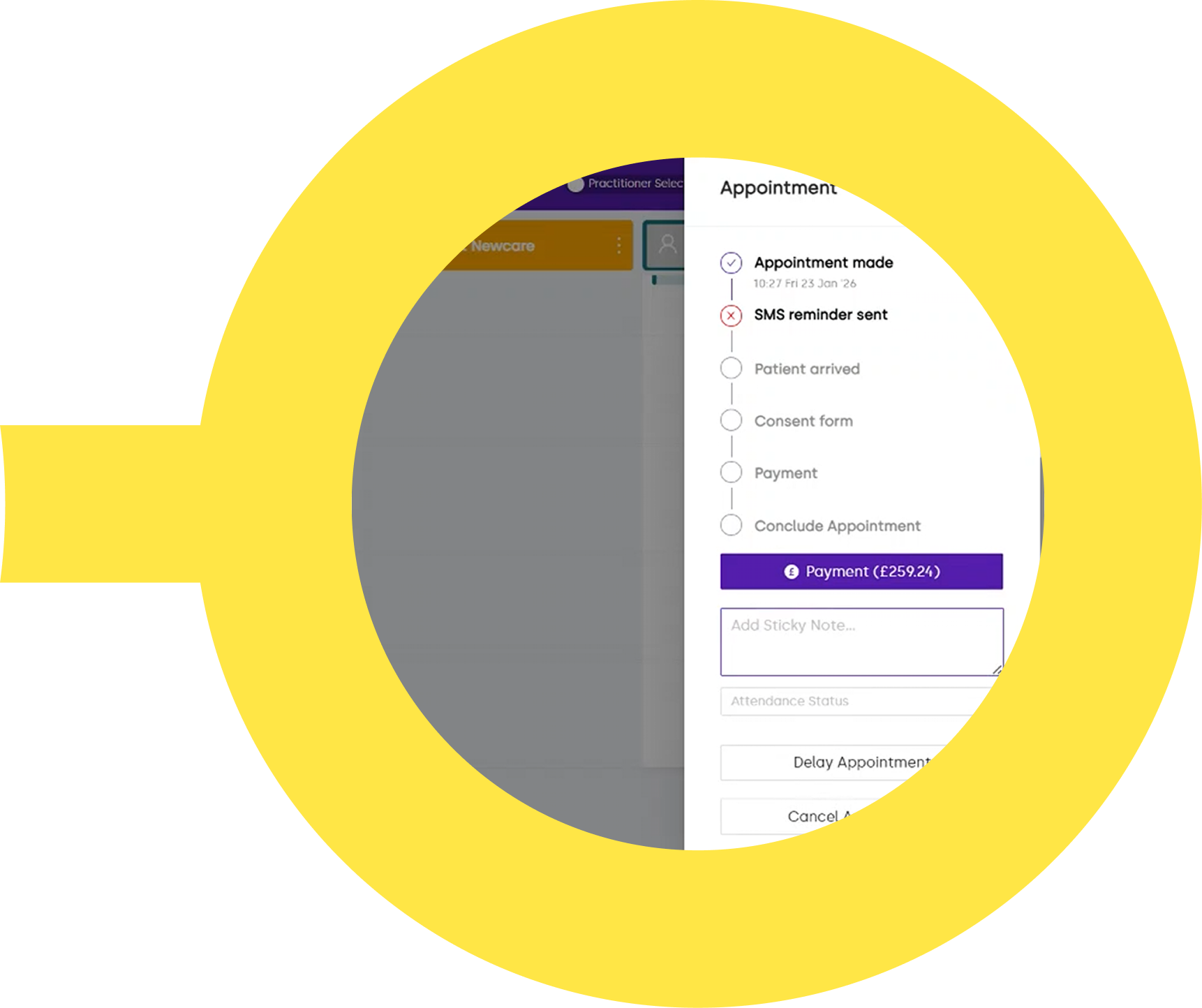
The existing notes functionality was restructured into three categories – clinical notes, reception notes, and temporary sticky notes.
This improves clarity for staff while ensuring clinical records remain compliant with legal and regulatory requirements.
Reporting and insights
We began building a reporting framework covering financial performance, treatment types, practitioner efficiency, and diary utilisation.
Reports include filtering by time period and simple visualisations to help practices monitor performance.
System reliability and usability
Alongside new features, a series of bugs and usability issues were addressed. These included appointment handling around calendar exceptions, incorrect clinician availability across practices, inaccurate patient counts, opening hours updates, and slow loading components in the interface.
Individually these were small fixes. Together they significantly improved the day-to-day experience of using the system.
Results so far
The work with Turret Orthodontics has focused on making Pixadent faster, clearer, and more reliable for the teams using it every day.
Key improvements include:
- Faster system performance across key workflows
- Simpler appointment rescheduling for reception teams
- Clearer clinician diary management
- More structured permissions and reporting capabilities
- Improved stability and reliability across the platform
Just as importantly, the work has helped lay the technical foundation needed for Pixadent to grow beyond its original scope.
Looking ahead – introducing AI into Pixadent
The next phase of work explores something more ambitious.
Together with AMK Developments and Turret Orthodontics, we are prototyping the integration of an AI component within Pixadent.
The goal is to position the platform at the forefront of practice management technology while supporting clinicians with more efficient documentation.
One of the first features being developed is AI-assisted clinical transcription.
During patient consultations, conversations can be securely recorded and processed by an AI system. The audio is converted into structured transcripts, which are then used to generate draft clinical notes.
These notes appear directly within the Pixadent workflow, where clinicians can review, edit, and approve them before saving them to the patient record.
Behind the scenes this requires several layers of development:
- a secure data infrastructure to manage audio and transcript data
- integration with speech-to-text and natural language processing engines
- new user interface components for recording, reviewing, and editing transcripts
Because of the sensitive nature of patient data, the system is designed with strict compliance in mind, including GDPR and NHS data protection guidelines.
The intention is not to replace clinical judgement. Rather, the AI acts as an assistant, helping clinicians document consultations more quickly while maintaining accuracy.
If successful, this capability would place Pixadent among a small group of practice management platforms exploring deeper AI integration.